January 21, 2026
January brings white crusty stains, slick patches, and dull-looking driveways across New Jersey and Staten Island. Those marks are salt residue and efflorescence from de-icers and freeze-thaw cycles. The good news: with the right method and cleaner, your concrete can look new again—without etching or damaging the surface. Von Stroke Painting offers professional pressure washing and soft washing for concrete in Morris County, Essex County, Passaic County, and Staten Island, tailored to winter conditions.
How do you remove salt stains from concrete? (PAA)
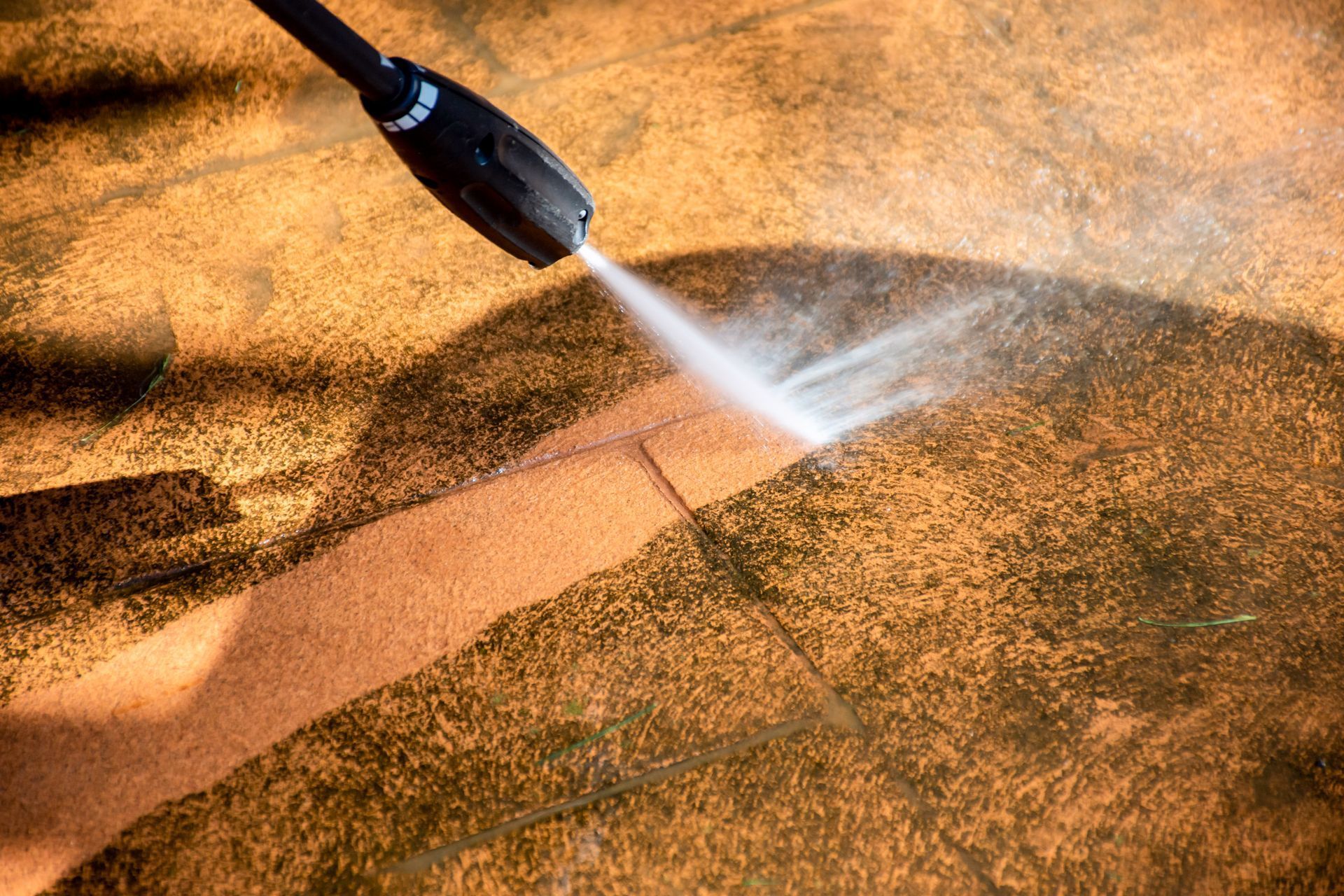
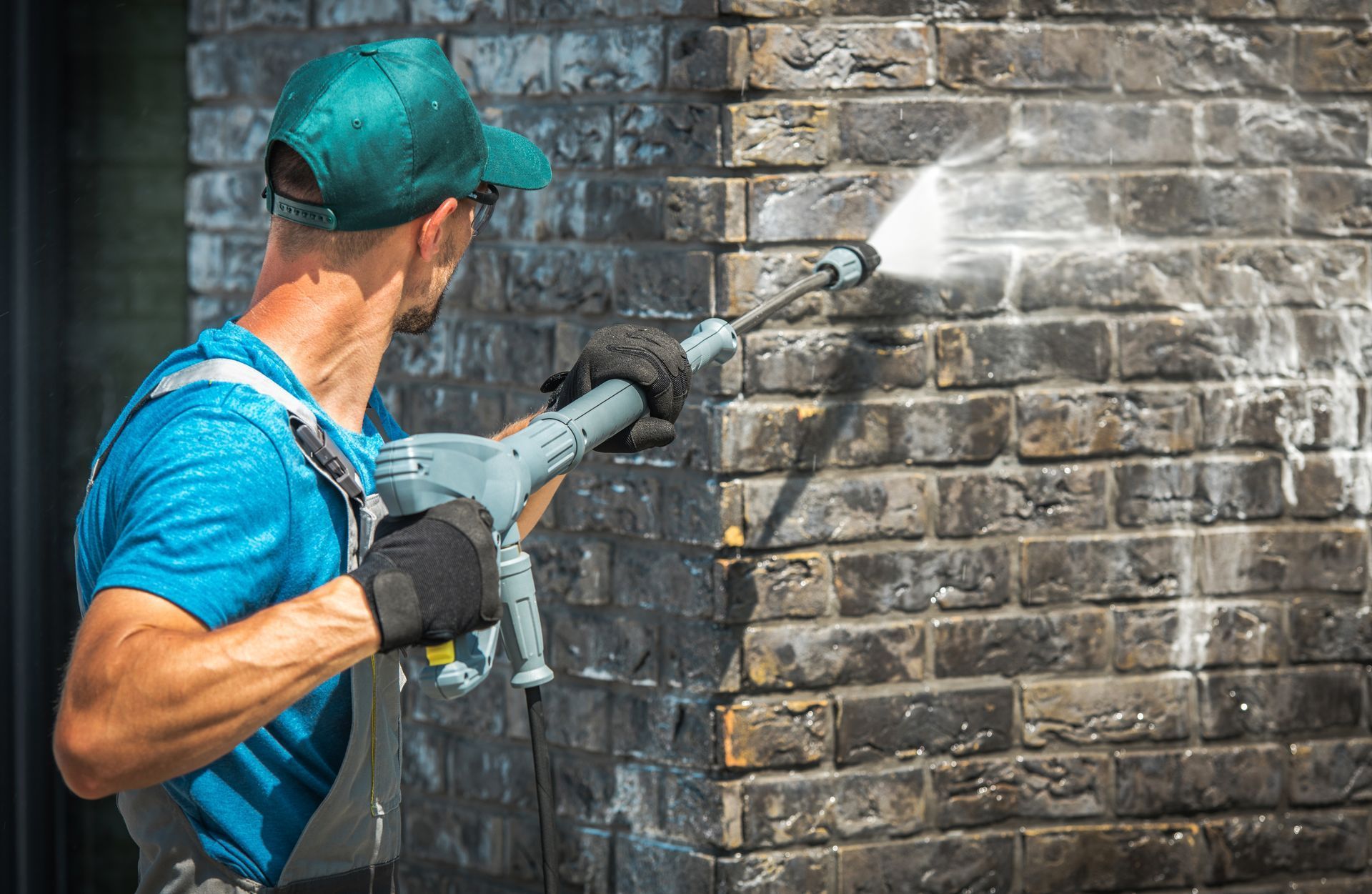
Salt staining is usually a mix of surface residue and efflorescence (mineral salts migrating through the slab). The most reliable approach pairs a concrete-safe cleaner with the right pressure. We pre-wet the slab, apply an efflorescence remover or pH-balanced detergent, allow dwell time, then rinse with controlled pressure. On sensitive or decorative surfaces, a soft wash (low pressure + chemistry) protects texture and color while lifting residue. Avoid aggressive blasting—etching weakens the paste and makes future staining worse.
Pressure wash or soft wash: Which is better for your driveway?
Both work—when matched to the concrete and the stain type.
Choose pressure washing when:
- You have standard broom-finished driveways and sidewalks with heavy salt residue
- There’s embedded grime, tire marks, or winter oil drips from vehicles
- The slab is sound, not flaking or scaling
Choose soft washing when:
- The concrete is stamped, colored, or sealed
- You’re seeing efflorescence on newer slabs or basement walkouts
- Mortar joints, steps, or older surfaces could be damaged by high PSI
- You want to minimize overspray around landscaping or storefronts
Safe settings and solutions for North Jersey winters
Concrete needs the right balance of chemistry and water pressure to clean effectively in cold weather. Our crews adjust by county microclimate—earlier freezes in Morris County, urban heat retention in Essex County, moisture pockets in Passaic County, and marine air on Staten Island.
Our winter-ready process
- Inspect: Identify salt scaling vs. surface residue; test a small area
- Pre-treatment: Apply efflorescence remover or neutral cleaner, let it dwell
- Controlled rinse: Use a surface cleaner head for even results; typical 2,000–3,000 PSI with a 25-degree fan tip on sound slabs
- Soft wash zones: Under 500 PSI plus chemistry for stamped/colored areas and mortar joints
- Neutralize and protect: Rinse thoroughly to balance pH; recommend a breathable silane/siloxane sealer for long-term defense
- Winter safety: Manage runoff so rinsed water doesn’t refreeze across sidewalks or drive aprons
What cleaners work on salt and white stains?
Efflorescence removers (often citric or proprietary acid blends) dissolve mineral salts without harsh fumes when applied correctly
pH-neutral detergents handle dirt films between storms
Degreasers target tire polymer transfer and oil We avoid muriatic acid on residential concrete; it’s too aggressive and can burn the surface, exposing aggregate and inviting future staining.
Will pressure washing remove salt stains permanently?
Cleaning removes existing stains, but winter is ongoing. Prevent recurrence with routine sweeping (to remove loose salt granules before they dissolve), quick rinses after big melts, and sealing once temperatures rise. A breathable silane/siloxane sealer dramatically reduces water and chloride penetration, helping prevent scaling, spalling, and recurring white bloom.
Local tips to prevent damage before spring
- Switch de-icers: Calcium magnesium acetate is gentler than rock salt on new or vulnerable concrete
- Shovel early: Removing snow promptly reduces how much brine soaks in
- Use containment mats in garages to keep salt slurry off slabs
- Improve drainage: Ensure downspouts and driveway pitch move meltwater away from entries and basement walkouts
- Plan a spring seal: After the last freeze, sealing helps concrete withstand next winter’s cycles
Where we see the most winter staining locally
- Morristown and Madison: North-facing walks that stay shaded and damp
- Montclair, South Orange, and Bloomfield: Historic steps and masonry stoops needing low-pressure care
- Clifton, Wayne, and Paterson: High-traffic driveways with tire marks plus salt residue
- Staten Island’s North Shore and Hylan Boulevard corridor: Marine spray plus road salt on exposed aprons
Get concrete that looks clean—and stays that way
Von Stroke Painting delivers concrete cleaning, pressure washing, soft washing, and sealing that protect your property through winter and beyond. We tailor methods to your surface, manage runoff safely, and recommend the right sealer for long-term durability. Schedule a January assessment in Morris County NJ, Essex County NJ, Passaic County NJ, or Staten Island NY, and let us remove salt stains the right way—quickly, safely, and with lasting results.